OSRS Powered Staves vs Bursting 99 Magic: When Speed Matters and When You Profit
28 September 2026 · 12 min readTwo roads to 99 Magic: relaxed powered staves or high-intensity Ancient Magicks bursting. Compare requirements, costs, profit levers, and when buying gold or a boost is the honest shortcut.
Game screenshots and facts are cited from the Old School RuneScape Wiki (strategy, equipment, drops, and related pages). Writing is original editorial, not a copy of the wiki article.
Contents
- Requirements and Unlocks for Both Methods
- Powered Staves: The Single-Target Workhorse
- Bursting and Barraging: Multi-Target Magic
- The AFK Spectrum: Attention vs. Efficiency
- Profit and Cost: Where Your GP Goes
- Realistic Time-to-99 Expectations
- Common Mistakes That Drain Your Cash Stack
- When Buying Gold or a Service Is the Honest Shortcut
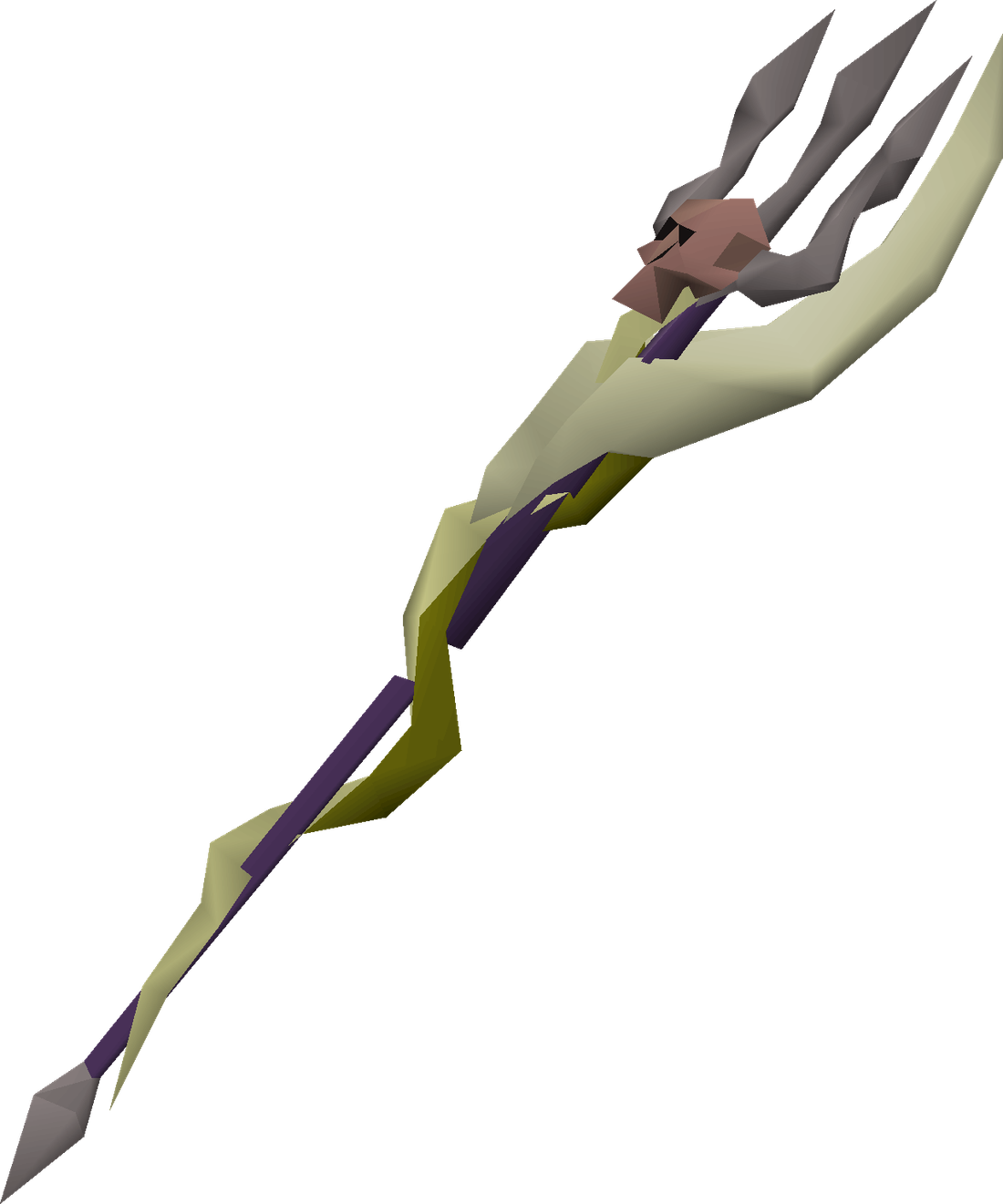
Nothing splits the high-level Magic community quite like the choice between powered staves and Ancient Magicks bursting. Both can carry you to 99 Magic, but they ask very different things from your attention, your bank, and your Slayer block list. Powered staves—Tridents, Sanguinesti staff, and the like—offer consistent single-target damage without clicking a new spell every cast. Bursting and barraging on Slayer tasks can produce enormous experience and often pay for themselves in drops, but they demand precise positioning, prayer management, and a stack of blood, death, and water runes. This guide walks through the requirements, methods, profit levers, and honest shortcuts for both roads.
Magic training in OSRS is rarely one-size-fits-all. The skill has multiple viable paths from level 1 to 99, but the real fork happens in the mid-to-late levels. Once you have access to charged tridents and the Ancient Magicks spellbook, the question is no longer can you hit 99, but how much attention and gp are you willing to spend per hour. We focus on the two dominant approaches for the final stretch: powered staves for targeted, low-effort combat, and Ancient Magicks bursting for multi-target Slayer tasks. Along the way we flag the hidden costs and the points where buying OSRS gold or a leveling service can save you real time.

Requirements and Unlocks for Both Methods
Before you commit to one route, make sure your account actually has the unlocks needed. Powered staves require a solid Magic level and the willingness to sink gold into charges. Ancient Magicks bursting requires a quest line, a specific spellbook, and often a Slayer level high enough to access the best multi-target tasks.
- Powered staves: mid-to-high Magic level (usually 70s or above), a charged trident or higher-tier powered staff, and a target that justifies the charge cost. Exact wield requirements and charge costs change, so verify on the equipment pages.
- Bursting/barraging: Ancient Magicks unlocked via the Desert Treasure quest line, sufficient Magic level for the burst or barrage spell you want, and a Slayer level that gives access to stackable tasks like dust devils or nechryael.
- Both: decent Magic accuracy gear, prayer potions if using overheads, and a plan for healing. Bursting also needs a stack of runes and a monster group that clusters tightly.
Because quests, spells, and task lists receive occasional updates, always re-check the wiki before buying supplies.
Powered Staves: The Single-Target Workhorse
Powered staves occupy a unique niche in Magic training. Unlike standard spells that consume runes per cast and are tied to your current spellbook, a powered staff has a built-in attack spell that fires on its own. The Magic skill page notes that powered staves generally attack at a 4-tick speed, with some exceptions like Tumeken's shadow at 5 ticks. This consistent, no-fuss damage output makes them perfect for long, low-effort sessions at bosses like Kraken or certain Slayer monsters that are weak to Magic.

The key advantage is mental overhead. You click a monster, the staff does the rest. You can switch to Lunar or Arceuus spellbook for utility spells without losing your attack, because the powered staff's built-in spell is independent of your selected spellbook. That flexibility is valuable during long grinds where you want to use teleports, alchemy, or passive utility effects between kills.
However, powered staves are not free. Each cast consumes a charge, and charges are bought with gp or created with runes and scales or other resources depending on the staff. The cost per kill adds up, so you should only use a powered staff on monsters or bosses where the average loot covers the charge expense—or when you are willing to pay for the convenience. The wiki's money-making guide and live GE prices will tell you whether a particular boss still profits with a trident.
Bursting and Barraging: Multi-Target Magic
On the other side of the fence is Ancient Magicks bursting or barraging. The Pay-to-play Magic training guide specifically calls out dust devils and Greater Nechryael as monsters that can be bursted or barraged for fast Slayer experience. When you stack several monsters in a 3x3 area and cast a multi-target spell, you gain Magic experience for every monster hit. That efficiency is unmatched in terms of raw experience per hour, but it comes with real demands.

First, you need to unlock Ancient Magicks, which requires completing Desert Treasure. Then you need runes: blood, death, and water runes are the typical loadout for burst and barrage spells. Because each cast hits multiple targets, the rune cost per experience point can be surprisingly efficient if you group enough monsters—but it is still a large upfront expense. Second, you need to pay attention. Luring monsters into a tight stack, maintaining your prayer, and re-stacking after each kill takes active input. One missed prayer flick or a scattered group can turn a profitable task into a rune-sink.
Bursting also has strong Slayer synergy. Since you are training Magic while completing Slayer tasks, you gain two skills at once. Many bursting tasks drop alchables, clue scrolls, or other loot that offsets rune costs. The exact profit depends on current GE prices and your task list, so check the wiki's Slayer task pages and price trackers before committing to a long session.
The AFK Spectrum: Attention vs. Efficiency
Powered staves and bursting sit at opposite ends of the attention spectrum. Understanding this tradeoff is the first step to choosing the method you can actually sustain for hundreds of hours. Below is a high-level comparison.
| Method | Attention needed | Rune/charge cost | Multi-target | Slayer synergy | Profit potential |
|---|---|---|---|---|---|
| Powered staff (trident/sang) | Low to moderate; click monster and watch | Charge cost per cast | No (single target) | Works on any task but not AoE | Profitable only on high-value single-target monsters or bosses |
| Bursting/barraging | High; manage positioning, prayer, runes | High rune cost per cast, multiplied by number of targets | Yes, hits multiple adjacent monsters | Excellent for designated tasks; huge Magic+Slayer xp | Often breaks even or profits from common drops, but variably |
| Passive alching/enchanting | Very low; click while running | Rune cost per cast, profit possible with alching | No | None | Can be profitable with careful item choice |
Powered staves are the "AFK" option in the sense that you can glance at the screen every 20–30 seconds and still make steady progress. Bursting demands near-constant interaction: repositioning, switching prayers, and looting. If you try to AFK bursting, your stack will fall apart and your rune consumption will spike without the XP to match.
Profit and Cost: Where Your GP Goes
The profit question is where many players make the wrong decision. Powered staves are often seen as expensive because you must keep buying charges, but they can absolutely profit when used at the right content. For example, a trident at a boss with consistent magic-weak drops can more than cover its charge cost per kill. The same logic applies to the Sanguinesti staff at high-level encounters. The catch is that the margin can be thin, and a dry streak quickly eats into your bank.
Bursting, on the other hand, looks expensive because you burn thousands of runes in a single task. However, if you are on a task like dust devils or nechryael, the common drops often include items with strong alch values or valuable resources. Many players report that bursting Slayer tasks either break even or turn a small profit over time, even before counting the Slayer experience gained. The variance is high: one bad task with poor loot and high rune prices can be a loss.
A third option, passive alchemy or bolt enchanting, is often profitable but far slower. The Pay-to-play Magic training guide shows that High Level Alchemy can be profitable with the right items, and enchanting dragonstone or onyx bolts can be very fast but costly. These methods are best treated as supplementary training while doing other activities, not as your primary road to 99.
Realistic Time-to-99 Expectations
OSRS players love to quote "efficient hours to 99," but the truth is messier. Your real time depends on attention span, gear, and whether you train on Slayer tasks or dedicated Magic-only sessions. Bursting on optimal tasks is generally considered faster in raw Magic XP per hour than using a powered staff on single targets, but that speed only materialises if you stay focused for the entire session. Powered staves might offer lower peak XP per hour, but you can sustain them for much longer play sessions because they don't require constant micro-management.
For accurate numbers, open the wiki's Magic training page and look at the experience rate tables for your specific staff or spell. The rates assume optimal setups and can understate the cost if you don't have the recommended gear. When budgeting time, add 10–20% for banking, looting, and the occasional death.
Common Mistakes That Drain Your Cash Stack
- Using a powered staff on the wrong monster: If the monster has high Magic defence or is more efficiently killed with melee or ranged, you are paying charges for subpar kills.
- Forgetting magic accuracy gear: Powered staff damage may be consistent, but accuracy still matters. Wearing melee armour while casting will hurt your hit chance and increase time per kill.
- Bursting without a proper stack: If you don't lure monsters into a 3x3 area, your multi-target spell only hits one or two targets. You lose the whole point of bursting.
- Ignoring rune prices: Blood and death rune prices can spike after updates or events. Buying in bulk before a long grinding session can save a lot of gp.
- Upgrading to expensive staves too early: A Sanguinesti staff is great, but if your Magic level is low or you fight low-defence monsters, a cheaper trident may give nearly the same XP per hour for far less cost.
- Skipping Slayer unlocks: If you plan to burst, unlock the Slayer tasks that support it. Blocking tasks that can't be bursted improves your average XP and profit.
When Buying Gold or a Service Is the Honest Shortcut
There is no shame in admitting that rune costs and trident charges add up. If you have limited play time, grinding Vorkath or Zulrah for gp just to afford Magic supplies can feel like a second job. Buying OSRS gold to cover runes, charges, and gear lets you spend your actual play time training the skill you care about, not farming money. Likewise, a professional Magic training service can handle the repetitive hours while you live your life. The key is to use a reputable marketplace, verify current prices, and never share your password with unvetted sellers.
If you decide to go this route, check the live gold rates before you buy. A few minutes of price comparison can save you real money on a large order. View live gold rates
Sources
Is bursting better than trident for 99 Magic?
Bursting is generally faster Magic XP per hour when done correctly on stackable Slayer tasks, but it requires high attention and rune costs. A trident is slower per hour but more relaxed. The best choice depends on your play style and how much you value AFK time over peak efficiency.
What level should I start bursting?
You can start bursting as soon as you unlock Ancient Magicks and the appropriate burst spell, usually in the mid-to-high Magic levels. However, for maximum efficiency and profit, you want Slayer tasks like dust devils or nechryael, which require a certain Slayer level. Check the wiki for exact requirements.
Can powered staves profit at 99 Magic?
Yes, if you use them on the right content. Bosses like Kraken or certain Slayer monsters weak to Magic can produce loot that covers the charge cost per kill. Profit margins depend on current GE prices and your kill efficiency, so check the wiki's money-making guide before committing.
What is the most AFK Magic training for high levels?
Powered staves are the most AFK among high-level combat methods because they have a built-in spell and require only occasional clicking. Passive methods like High Level Alchemy or bolt enchanting can also be done while moving or training other skills, though they are slower.
Do I need Desert Treasure for bursting?
Yes, Ancient Magicks—the spellbook containing burst and barrage spells—is unlocked by completing the Desert Treasure quest. The quest has its own requirements, so make sure your account is ready before planning a bursting training route.
How much does 99 Magic cost with powered staves?
Cost varies widely based on the staff, its charge price, and what you kill. If you use a trident at profitable bosses, you may break even or profit. If you train on low-value monsters, expect a loss equal to the charge cost per cast. Use the wiki's live price tools to estimate your total.
Should I train Magic on Slayer tasks or separately?
Training Magic on Slayer tasks is efficient because you gain two skills at once. Bursting tasks are especially good, but even powered staves can be used on magic-weak Slayer monsters. If you don't care about Slayer, you can train Magic independently at bosses or training spots, but you may miss out on combined XP.